Matcha as a New Business.
Export as an option for companies with overseas networks
On the ground with inbound visitors, matcha has already changed from an “experience” to a “product.” For companies with overseas sales channels and trading partners, matcha export is one of the new businesses with a relatively low barrier to entry. Here we outline what is happening in the market and the points to keep in mind when building the business.
Why Matcha, and Why Now? How Inbound Tourism Changed the Nature of Demand
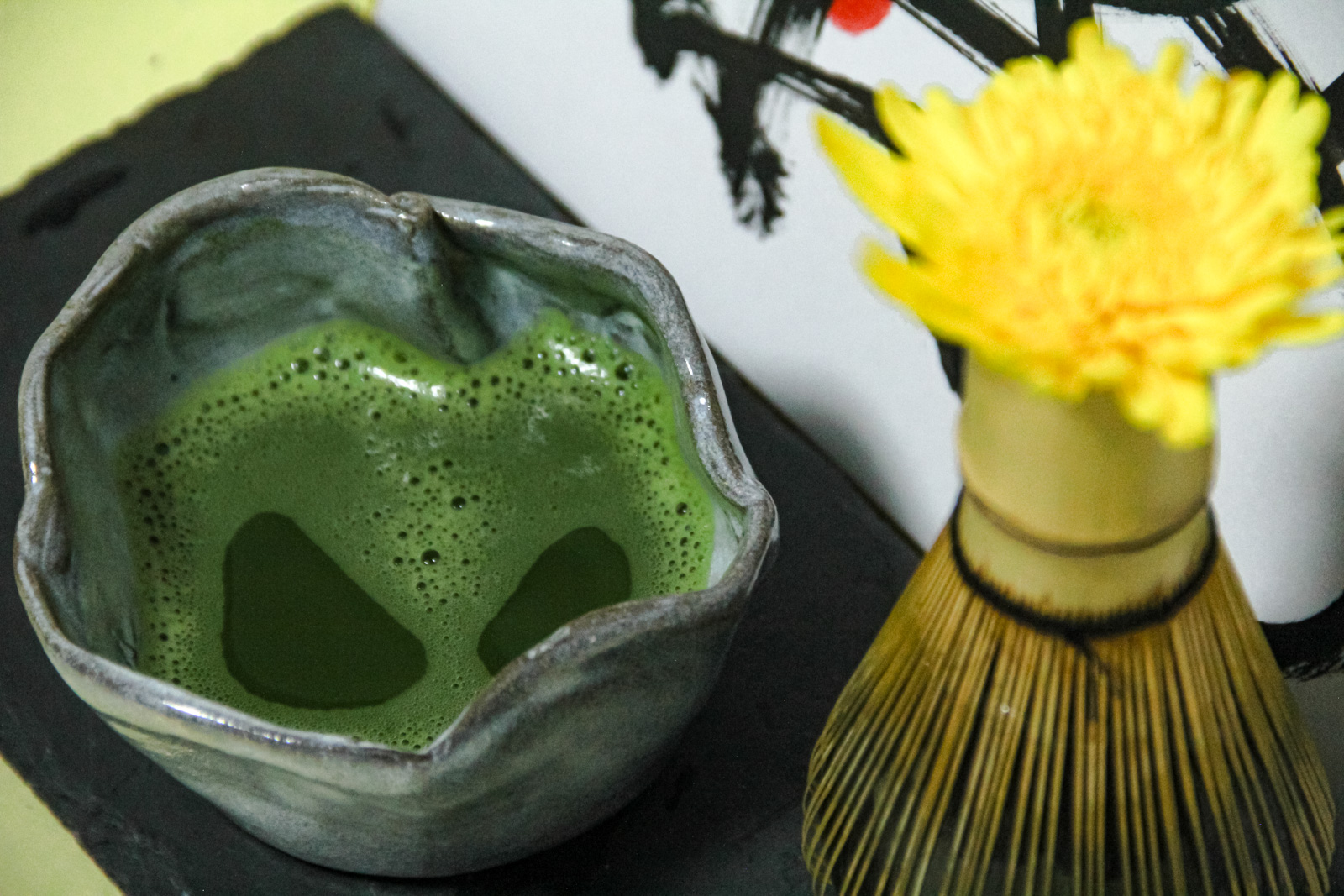
Until a few years ago, matcha was mostly spoken of in the context of the tea ceremony and as an “experience.” Today, however, matcha-flavored snacks, sweets and drinks have secured regular shelf space in retail stores such as Don Quijote and in souvenir shops. For visitors to Japan, matcha is no longer a special experience but a “product they can take home.”
This trend has spread to restaurants as well. Adding matcha lattes and matcha sweets to cafe and restaurant menus is no longer unusual as part of catering to inbound visitors. Beyond domestic consumption, there are a growing number of cases in overseas retail and food-service channels where matcha is positioned in the context of “health and wellness” rather than “Japanese-ness,” and the base of demand is steadily widening.
Matcha as an “Easy-to-Export Item”
For some food products, the permits and quarantine procedures involved are so tangled that many companies give up on entering the market at all. Matcha (green tea), by contrast, is not an item like alcohol that requires a special export license, and in terms of barriers to entry it falls into a relatively simple category. Of course, checking each destination country’s pesticide residue standards and labeling regulations is essential, but for companies already handling cross-border e-commerce or food wholesale, it is an item to which existing logistics and customs know-how can readily be applied.
Matcha also has the advantage, compared with other export goods, of not requiring a large initial inventory. As long as you have a way to connect directly with producers, you can start the business by purchasing only what you need, when you need it, which lets you build an export track record while keeping initial investment low. For companies that already have an overseas network, it is also easy to propose to existing customers as a new product.
Why Companies Still Hesitate: The Wall of “Stable Supply”
On the other hand, many companies interested in matcha export cannot move to action. In most cases the reason lies on the “supply side” rather than demand itself: yield fluctuations caused by weather, quality that varies by region and farm, and having no connection to producers who can secure the volumes needed year-round. And in many cases, stable trading requires prepaid contracts for large lots, so inventory risk and tied-up capital become barriers for new entrants.
What Cottage de Kyohka Can Do
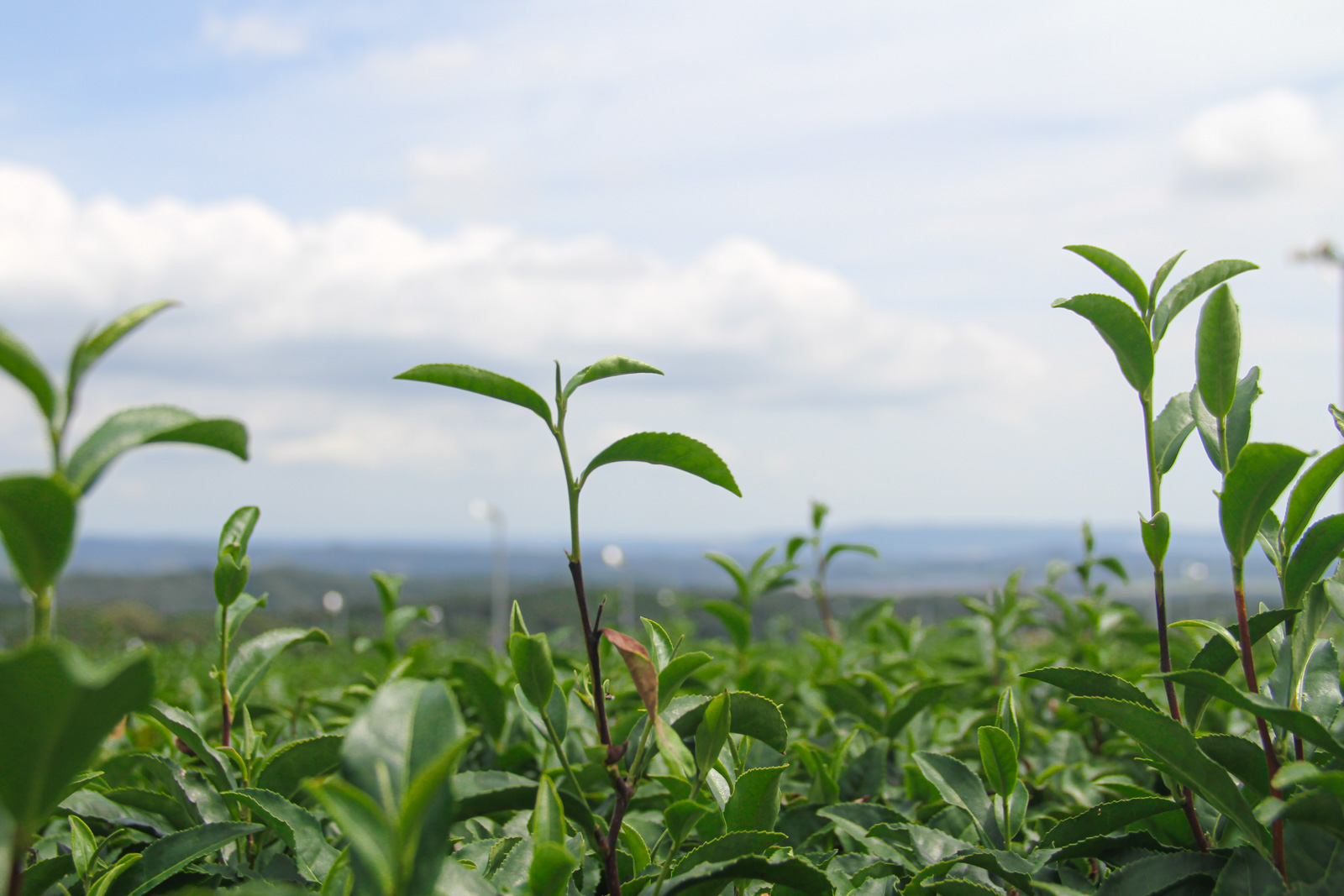
For twenty years we have built direct relationships of trust with producers from three high-quality tea-growing companies across Uji, Fukuoka, Shizuoka and Kagoshima. Because we work with each region through purchase allocations, we are able to secure the amount you need, when you need it.
Because of these relationships, companies do not need to buy large lots in advance, and can try matcha export starting from the quantity they need. As the business grows, we also provide the following support.
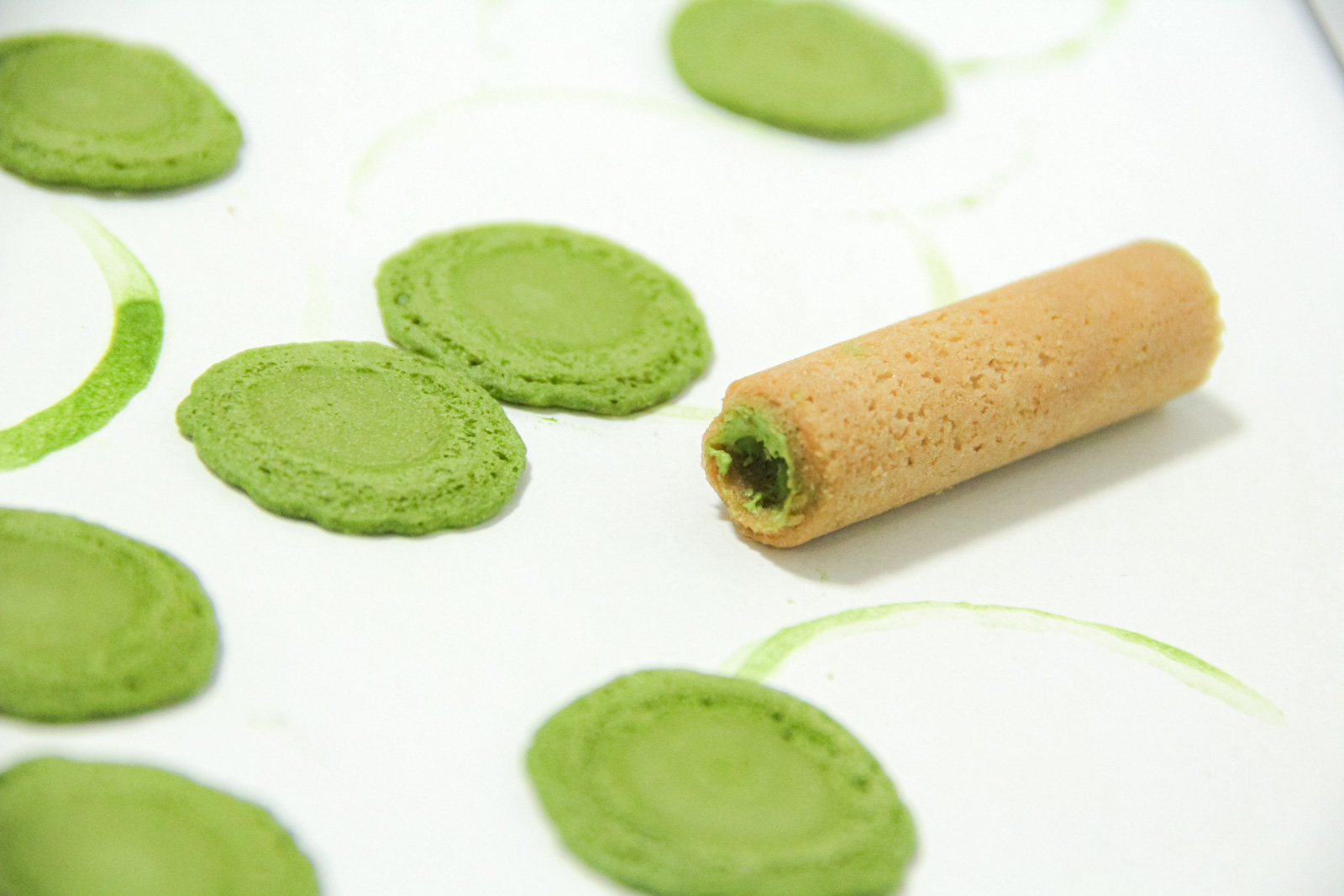
“Do we have a source we can buy from reliably?” Whether you can keep matcha export going as a new business comes down to exactly this. — Cottage de Kyohka
A Good Fit for These Companies
- Trading companies and businesses that already have a sales network overseas and want to propose a new product to existing customers
- Companies that run restaurants and want to add matcha to their menus to cater to inbound visitors
- Companies that want to make their own branded matcha products through OEM
- Companies that want to try exporting on a small scale first, without taking on large inventory risk
Matcha may not look like a flashy new business. But once demand is expanding, entry is easy, and a system for stabilizing supply is in place, it is an export item you can add to an existing business without strain. If you are considering adding this product to your network, please talk with us.
Would you like to hear more about matcha export?
From supply structure to product development, OEM and overseas expansion. We are happy to discuss what fits your company’s situation.